• course Info
  • Content
  • Ce Approvals

Parent-Child Interaction Therapy (PCIT) in the Influencer Era: Modernizing Messaging to Engage Today’s Parents and Clinicians

CE Hours 1

About this course

Parenting culture is shifting rapidly, driven by social media influencers, evolving family values, and viral trends in child development discourse. While Parent-Child Interaction Therapy (PCIT) remains one of the most robustly supported interventions for young children with disruptive behaviors, its traditional messaging sometimes fails to resonate with modern parents and even with early-career clinicians. Many caregivers now turn to Instagram, TikTok, podcasts, and online communities for parenting guidance, spaces where content is emotional, concise, visually driven, and highly relatable. PCIT, in contrast, is often communicated using academic terminology and outdated language that can create unnecessary barriers to engagement. This panel will explore why and how PCIT providers must adapt their communication strategies to stay relevant and accessible without compromising the model’s fidelity or scientific grounding. Presenters will introduce practical tools for translating evidence-based concepts into parent-friendly language, highlight common messaging pitfalls and offer more culturally responsive, emotionally attuned alternatives. Concrete examples will show how PCIT principles map onto contemporary parenting frameworks, including connection-focused, neurodiversity-affirming, and gentle/intentional parenting approaches, to better align with what families are already hearing online. Attendees will also learn adaptable strategies for creating brief, high-impact educational content for social media, websites, and community outreach, even with limited time or technical skills. By the end of the session, clinicians will leave with actionable guidance on reframing PCIT in a way that feels current, authentic, and engaging, meeting parents and caregivers where they are, and strengthening both access and outcomes in the process.

Learning Objectives

  • Describe how shifts in parenting culture and social media–driven messaging influence caregiver engagement with Parent-Child Interaction Therapy (PCIT).
  • Apply strategies for translating core PCIT principles into accessible, culturally responsive, and parent-friendly language while maintaining model fidelity.
  • Implement practical approaches for aligning PCIT messaging with contemporary parenting frameworks and for creating brief, high-impact educational content for outreach and engagement.

Learning Levels

  • All Levels

Target Audience

This educational activity is intended for behavioral health professionals, including Psychologists, Social Workers, Counselors, and MFT's.

Course Instructor(s)

  • Sarah Tannenbaum, PsyD, ABPP

    Dr. Sarah Tannenbaum is the Senior Director of Outpatient Clinical Services at The Baker Center. She has strategic and operational oversight of The Baker Center's outpatient programs, including the Center for Effective Therapy, a clinic providing mental health assessments and focused short-term treatments for children and their families; Camp Baker, a Summer Treatment Program for children with ADHD; and the Next Step: College Success and Independent Living program, a college preparatory program for transitional aged youth with social communication deficits. Dr. Tannenbaum is a board-certified child and adolescent clinical psychologist and Instructor in Psychology at Harvard Medical School.

    Dr. Tannenbaum specializes in providing evidence-based practices to children, adolescents, and families as well as training students and community clinicians in these approaches. She is the Principal Investigator on a National Child Traumatic Stress Network (NCTSN) Category III grant aimed at increasing access to evidence-based trauma treatments and spreading awareness of traumatic stress symptoms, the impact on child development, and how to heal from adversity. In her role, Dr. Tannenbaum supports local and nationwide training in best practices for childhood disorders, while offering her expertise to clinicians, doctoral trainees, and social work fellows in training at Baker. As a PCIT Regional Trainer, she has helped train clinicians in Parent Child Interaction Therapy (PCIT), an evidence-based intervention for children ages 2-7, across many states including Alaska, Connecticut, Georgia, Maine, Massachusetts, Missouri, Maryland, and Tennessee. Dr. Tannenbaum is also an Associate Trainer in the Modular Approach to Therapy for Children with Anxiety, Depression, Trauma, or Conduct Problems (MATCH-ADTC), and has supported training in this approach in Florida, New Hampshire, New York, North Carolina, Massachusetts, and Utah. She is a Child Adult Relationship Enhancement (CARE) Facilitator and a supervisor and trainer in the Summer Treatment Program (STP). Due to her expert knowledge in evidence-based approaches and experience working in a wide array of settings, Dr. Tannenbaum provides consultation to schools and other systems of care in effective intervention and prevention strategies as well as training initiatives for both clinical and non-clinical staff. Additionally, Dr. Tannenbaum is the Director of Training in The Baker Center's APA-accredited training program. In recognition of her supervisory and mentorship skills, Dr. Tannenbaum was awarded Harvard Medical School's Young Mentor Award in 2021.

    Dr. Tannenbaum is an active member of the Association of Behavioral and Cognitive Therapies (ABCT), of PCIT International, and of Division 53 (Clinical Child Psychology) of the American Psychological Association. She serves on the PCIT International Policy and Advocacy Task Force and is a co-founder of the ABCT STP Special Interest Group.

  • Rhea Chase, PhD

    Dr. Rhea Chase is a licensed clinical psychologist specializing in effective prevention and treatment programs for families with young children with behavioral and emotional health concerns. She is trained in numerous evidence based practices, including Parent Child Interaction Therapy, Cognitive Behavioral Therapy, Exposure and Response Prevention, Habit Reversal Training, and Trauma-Focused Cognitive Behavioral Therapy. Dr. Chase received her doctoral degree in clinical and health psychology from the University of Florida. She furthered her training through a predoctoral internship at Duke University Medical School, and a postdoctoral fellowship at Boston University’s Center for Anxiety and Related Disorders.

    Dr. Chase has extensive experience training mental health providers and other helping professionals in evidence based practices. She is one of twenty Global Trainers worldwide endorsed by PCIT International. She has led numerous training initiatives at the regional, national, and international level, including PCIT and Child Adult Relationship Enhancement (CARE) trainings. Additionally, she has worked with state agencies, including the Massachusetts Department of Public Health, the Department of Early and Secondary Education, and the Boston Public Health Commission, to strengthen and standardize their existing programs for young children. She was previously on faculty in the department of psychiatry at Harvard Medical School and Duke University Medical School.

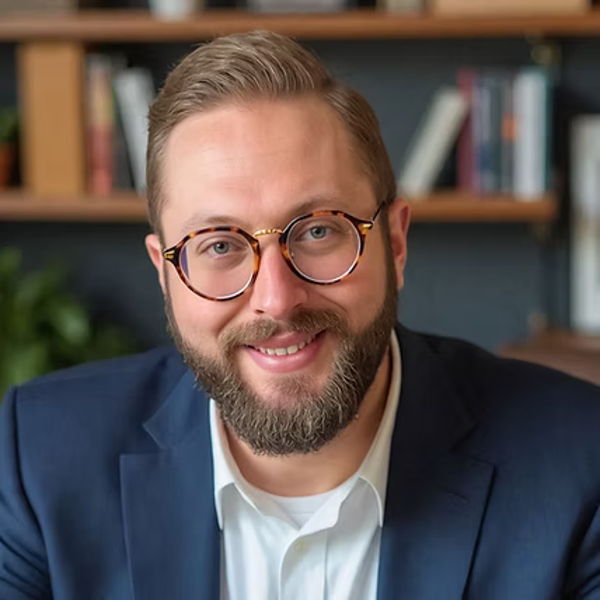
  • Michael Friedman, PsyD

    Dr. Michael Friedman is a clinical psychologist and Co-Founder of the Behavioral Science Institute. He specializes in evidence-based treatments for OCD and anxiety disorders (social anxiety, generalized anxiety, panic disorder, specific phobias) and is an experienced trainer, supervisor, and clinician. He has particular expertise in parent-based interventions for disruptive behavior disorders, ADHD, and early childhood anxiety, including Parent-Child Interaction Therapy (PCIT), PCIT-CALM, and SPACE (Supportive Parenting for Anxious Childhood Emotions). He is also extensively trained in comprehensive assessment of complex diagnostic presentations, ensuring accurate case formulation and targeted treatment. Drawing on this foundation, Dr. Friedman works closely with each patient to design a personalized, goal-focused treatment plan that maximizes outcomes and delivers meaningful change.

    Dr. Friedman’s approach is grounded in advanced training and close mentorship from field leaders in Cognitive Behavioral Therapy (CBT), Dialectical Behavior Therapy (DBT), and early childhood interventions. Trained in PCIT and PCIT-SM by Dr. Steve Kurtz, Dr. Friedman is a certified PCIT International therapist, Within Agency Trainer, and a Regional Trainer in training. He received specialized training in diagnostic assessment and evidence-based treatments for anxiety and related disorders at the Rutgers Youth Anxiety and Depression Clinic (YAD-C) under the mentorship of Dr. Brian Chu. Dr. Friedman also trained under the supervision of Dr. Alec Miller in Dialectical Behavior Therapy (DBT), a comprehensive treatment approach to broader emotion regulation challenges.

    Dr. Friedman received his doctorate in clinical psychology (PsyD) from the Graduate School of Applied and Professional Psychology at Rutgers University and completed his bachelor’s degree in Talmudic Law at Ner Israel Rabbinical College. His research interests focus on improving the quality of mental healthcare through the integration of artificial intelligence with human-led, evidence-based interventions.

References

  • Beveridge, R. M., Fowles, T. R., Masse, J. J., McGoron, L., Smith, M. A., Parrish, B. P., ... & Widdoes, N. (2015). State-wide dissemination and implementation of parent–child interaction therapy (PCIT): Application of theory. Children and Youth Services Review, 48, 38-48. https://doi.org/10.1016/j.childyouth.2014.11.013
  • Luis Sanchez, B. E., Klein, C. C., Corcoran, F., & Barnett, M. L. (2023). A mixed-methods study of clinician adaptations to parent-child interaction therapy-what about culture?. Evidence-based practice in child and adolescent mental health, 8(2), 269-285. https://doi.org/10.1080/23794925.2022.2070883
  • Woodfield, M. J., Merry, S., & Hetrick, S. E. (2022). Clinician adoption of Parent–Child Interaction Therapy: A systematic review of implementation interventions. Implementation Research and Practice, 3, 26334895221082330. https://doi.org/10.1177/26334895221082330
  • Luis Sanchez, B. E., Klein, C. C., Corcoran, F., & Barnett, M. L. (2023). A mixed-methods study of clinician adaptations to parent-child interaction therapy-what about culture?. Evidence-based practice in child and adolescent mental health, 8(2), 269-285. https://doi.org/10.1080/23794925.2022.2070883
  • Campbell, S. M., Hawes, T., Swan, K., Thomas, R., & Zimmer-Gembeck, M. J. (2023). Evidence-based treatment in practice: PCIT research on addressing individual differences and diversity through the lens of 20 years of service. Psychology research and behavior management, 2599-2617. https://doi.org/10.2147/PRBM.S360302

CE Process Info

Content

  • Recordings
    1 parts
    • Shared Screen With Speaker View(CC)
  • Parent-Child Interaction Therapy (PCIT)

    This course is approved by PCIT International for CE credit

Parent-Child Interaction Therapy (PCIT) in the Influencer Era: Modernizing Messaging to Engage Today’s Parents and Clinicians
You Have Completed This course
Free
You are enrolled
  • CE Hours
    1
  • Type
    Self-Paced
  • Publication Date
    Oct 30th, 2026

Reset password


Reset your password by providing your email below


Next

We sent a reset password link to the email address you provided.


{{reset.email}}


If you do not see the email, try checking your junk or spam folder.


If you don't receive a link in the email you provided, please click the button below to resend the verification email.

Resend

Please wait {{timer}} seconds to resend


Next

Sign in


Enter your email to get started.


Next

Sign in


Good news! Your email is associated with an account. Enter your password or click here to reset it


Login

Thanks for signing up!


We sent an verification email to the address you provided. Please check your email to verify your email address.


{{signup.email}}


If you do not see the email, try checking your junk or spam folder.


If you don't receive a link in the email you provided, please click the button below to resend the verification email.


Resend

Please wait {{timer}} seconds to resend

Sign up


Sign up

Shopping Cart

{{ basket.length }} {{ basket.length === 1 ? 'item' : 'items' }}

Your cart is empty

Browse the catalog and add a course to get started.

Browse courses

Thank you for your purchase

To access the course content, click the button below. Enrolled courses may be accessed at any time by going to your Account and clicking Courses

To access your courses, please click the button below. Enrolled courses may be accessed at any time by going to your Account and clicking either Events or Courses

Go to Course My Account

Payment

Your enrollment is confirmed immediately. You'll receive an invoice to pay by check, purchase order or another method before its due date.

Complete enrollment
{{ total > 0 ? `Pay ${formatPrice(total)}` : 'Pay now' }}

Payments are processed securely by Stripe.