• course Info
  • Content
  • Ce Approvals

Culturally Responsive PCIT: Using the DSM-5 Cultural Formulation Interview to Guide Treatment

CE Hours 1.5

About this course

When making determinations regarding case conceptualization, diagnoses, and intervention, it is critical to consider a child's and family’s cultural context. Indeed, the American Psychological Association’s policy regarding evidence-based practice details that services must incorporate “the best available research with clinical expertise in the context of patient characteristics, culture, and preferences” (American Psychological Association, 2006). Despite the clear emphasis on incorporating culture into treatment planning and decision making, little guidance is available for how clinicians should approach this process in the context of using an evidence-based intervention. Consistent with Sanchez and colleagues (2022, 2022), we propose utilizing the Cultural Formulation Interview (CFI), a validated and readily accessible instrument designed to guide the cultural assessment process in the context of diagnosis, case conceptualization, and treatment planning (American Psychiatric Association, 2013; Lewis-Fernandez et al., 2016) within the context of PCIT. The CFI consists of 16 questions across four primary domains: (a) cultural definition of the problem, (b) cultural perceptions of cause, context, and support, (c) cultural factors affecting self-coping and past help seeking, and (d) cultural factors affecting current help seeking. How a clinician might use the CFI, however, to inform their case conceptualization is not well-described in the literature. Therefore, this clinical skills workshop will provide an overview of the CFI and use a case study of a child and caregiver participating in PCIT to illustrate how the CFI was used to gather information and subsequently impacted case conceptualization and intervention.
Learning Objectives

  • Summarize the four domains of questions that are part of the Cultural Formulation Interview.
  • Describe how the information learned through the Cultural Formulation Interview impacted the case conceptualization and intervention of a sample PCIT case.
  • Explain how to use the Cultural Formulation Interview in the context of PCIT to other mental health professionals.

Learning Levels

  • Intermediate

Target Audience

This educational activity is intended for behavioral health professionals, including Psychologists, Social Workers, Counselors, and MFT's.

Course Instructor(s)

  • Glenn R. Mesman, Ph.D.

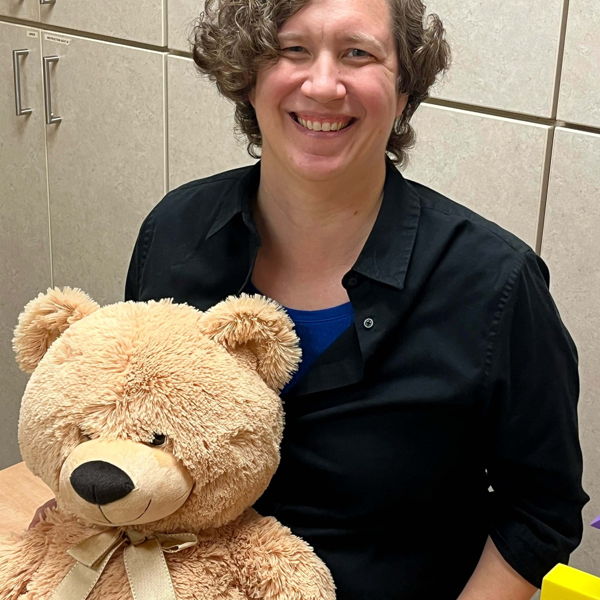
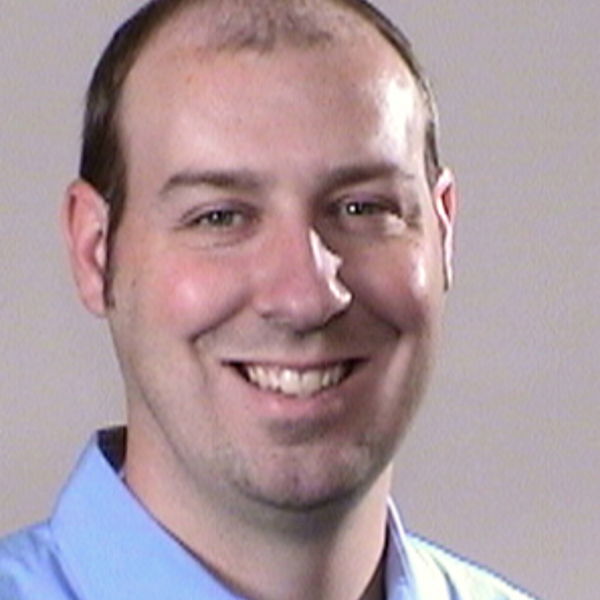
    Glenn Mesman, PhD, is a licensed clinical child and adolescent psychologist and Professor in the UAMS Department of Psychiatry, and he is the Assistant Training Director of the department’s psychology training program. Clinically, he specializes in early childhood mental and the assessment and treatment of childhood trauma. Dr. Mesman holds several leadership positions within Arkansas Building Effective Services for Trauma (ARBEST), a program sponsored by the state legislature to improve outcomes of traumatized children throughout the state. He co-leads the Parent-Child Interaction Therapy (PCIT) statewide dissemination project and is certified as a PCIT Regional Trainer, a DC:0-5 state trainer, and CE-CERT state trainer. He additionally co-directs the UAMS Complex Trauma Assessment Program, which provides trauma-informed psychological evaluation services for high-risk children in the Arkansas child welfare system. Dr. Mesman is actively involved in committees and workgroups as part of several national- and international-level professional organizations and frequently conducts invited and peer-reviewed presentations at state, national, and international conferences in his specialty areas of early childhood mental health and child trauma.

  • Karin L. Vanderzee, Ph.D.

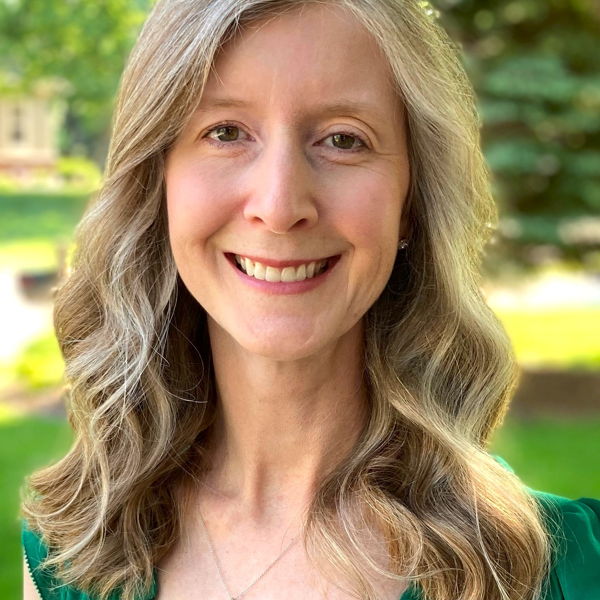
    Dr. Karin Vanderzee is a licensed clinical psychologist and Associate Professor at the University of Arkansas for Medical Sciences Psychiatric Research Institute/Department of Psychiatry. Her clinical and research interests focus on early childhood trauma and intervention development, implementation, and dissemination of evidence-based treatments to promote resilience following traumatic events. She serves as a co-investigator for the Arkansas Building Effective Services for Trauma (ARBEST) program, which aims to strengthen the quality of available trauma services for children and their families throughout the state of Arkansas. She has been conducting PCIT since 2009 and is a PCIT International Certified Regional Trainer. In addition, she is a certified Child-Parent Psychotherapy (CPP) State Trainer and is currently completing the Train-the Trainer program for Trauma-Focused Cognitive Behavioral Therapy (TF-CBT). She co-leads three teams that disseminate PCIT, CPP, and TF-CBT throughout the state of Arkansas. Dr. Vanderzee currently serves as Secretary of the PCIT International Board of Directors and is a member of the Training Task Force. In addition, she has published several peer reviewed articles, and routinely gives international, national, state, and local presentations about childhood trauma and evidence-based treatments for children who have experienced trauma.

  • Joy R. Pemberton, Ph.D., PCIT Regional Trainer

    Joy R. Pemberton, Ph.D., is a licensed psychologist and Associate Professor in the Department of Psychiatry at the University of Arkansas for Medical Sciences (UAMS). She earned her doctorate in clinical psychology from Texas Tech University, completed her internship at UAMS, and completed a postdoctoral fellowship at the Central Arkansas Veterans Healthcare System. Her areas of expertise include assessment and treatment of children and adolescents with a history of trauma and/or behavior problems, parenting interventions, and dissemination of evidence-based practices. Her primary clinical, supervision, and training specialty is Parent-Child Interaction Therapy (PCIT); she is a certified Regional PCIT Trainer. She serves as a co-investigator and lead PCIT trainer for the Arkansas Building Effective Services for Trauma program (ARBEST), an initiative which aims to strengthen the quality and availability of trauma services for children and families in Arkansas.

References

  • Harm, M., Hope, M., & Household, A. (2013). American psychiatric association, 2013, diagnostic and statistical manual of mental disorders, 5th edn, washington, dc: American psychiatric association anderson, j, sapey, b, spandler, h (eds.), 2012, distress or disability?, lancaster: Centre for disability research. Arya, 347, 64.
  • American Psychological Association, Presidential Task Force on Evidence-Based Practice. (2006). Evidence-based practice in psychology. American Psychologist, 61(4), 271–285. https://doi.org/10.1037/0003-066X.61.4.271
  • Aggarwal, N. K., Hinton, L., Hinton, D. E., Laurence, J., & Kirmayer, M. D. (2016). DSM-5® Handbook on the cultural formulation interview. Am J Psychiatry, 173, 195-6.
  • Sanchez, A. L., Comer, J. S., & LaRoche, M. (2022). Enhancing the responsiveness of family-based CBT through culturally informed case conceptualization and treatment planning. Cognitive and Behavioral Practice, 29(4), 750-770. https://doi.org/10.1016/j.cbpra.2021.12.001
  • Sanchez, A. L., Jent, J. F., Aggarwal, N. K., Chavira, D. A., Coxe, S., Garcia, D., … Comer, J. S. (2022). Person-centered cultural assessment can improve child mental health service engagement and outcomes. Journal of Clinical Child & Adolescent Psychology, 51(1), 1–22. https://doi.org/10.1080/15374416.2020.1761914
  • Haro, J. M., & McGrath, J. J. (2022). The burden of schizophrenia. European neuropsychopharmacology: the journal of the European College of Neuropsychopharmacology, 57, 33-35. https://doi.org/10.1016/j.euroneuro.2021.12.009

CE Process Info

Content

  • Materials
    1 parts
    • Culturally Responsive PCIT - Handouts
  • Recordings
    1 parts
    • Shared Screen With Speaker View(CC)
  • Parent-Child Interaction Therapy (PCIT)

    This course is approved by PCIT International for CE credit

Culturally Responsive PCIT: Using the DSM-5 Cultural Formulation Interview to Guide Treatment
You Have Completed This course
Free
You are enrolled
  • CE Hours
    1.5
  • Type
    Self-Paced
  • Publication Date
    Oct 30th, 2026

Reset password


Reset your password by providing your email below


Next

We sent a reset password link to the email address you provided.


{{reset.email}}


If you do not see the email, try checking your junk or spam folder.


If you don't receive a link in the email you provided, please click the button below to resend the verification email.

Resend

Please wait {{timer}} seconds to resend


Next

Sign in


Enter your email to get started.


Next

Sign in


Good news! Your email is associated with an account. Enter your password or click here to reset it


Login

Thanks for signing up!


We sent an verification email to the address you provided. Please check your email to verify your email address.


{{signup.email}}


If you do not see the email, try checking your junk or spam folder.


If you don't receive a link in the email you provided, please click the button below to resend the verification email.


Resend

Please wait {{timer}} seconds to resend

Sign up


Sign up

Shopping Cart

{{ basket.length }} {{ basket.length === 1 ? 'item' : 'items' }}

Your cart is empty

Browse the catalog and add a course to get started.

Browse courses

Thank you for your purchase

To access the course content, click the button below. Enrolled courses may be accessed at any time by going to your Account and clicking Courses

To access your courses, please click the button below. Enrolled courses may be accessed at any time by going to your Account and clicking either Events or Courses

Go to Course My Account

Payment

Your enrollment is confirmed immediately. You'll receive an invoice to pay by check, purchase order or another method before its due date.

Complete enrollment
{{ total > 0 ? `Pay ${formatPrice(total)}` : 'Pay now' }}

Payments are processed securely by Stripe.